
Home Lifestyle DEBT REDUCTION AND DEVELOPMENT PRESSURES – THISDAYLIVE
Lifestyle

DEBT REDUCTION AND DEVELOPMENT PRESSURES – THISDAYLIVE

Share
Share

[ad_1]

The reduction in Nigeria’s debt deserves cautious interpretation, contends FELIX OLADEJI

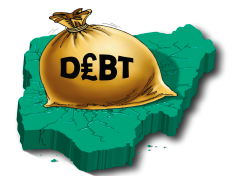
The recent report that Nigeria’s debt to the International Development Association (IDA) has declined to $18.5 billion has been presented as a positive signal within the country’s broader fiscal landscape. According to data from the World Bank, Nigeria’s outstanding obligations to the concessional lending arm fell by approximately $300 million within the review period, although the country still remains the third-largest IDA debtor globally. At face value, the reduction appears to reflect modest progress in debt management and fiscal adjustment. Yet beneath the optimism surrounding declining figures lies a more complex question: does a reduction in external debt necessarily indicate improving economic resilience, or does it merely reveal the difficult balancing act confronting developing economies like Nigeria?

Public debt occupies a complicated place within modern economic governance. For developing states, borrowing is often framed not simply as a financial necessity but as a developmental instrument—one used to finance infrastructure, stabilize economies, and support public investment where domestic revenue remains insufficient. Nigeria’s relationship with concessional lending institutions such as the IDA must therefore be understood within the broader realities of development financing, fiscal limitations, and structural economic dependency.

The significance of the latest figures lies partly in what they symbolize. In recent years, concerns about Nigeria’s rising debt profile have intensified amid growing pressure on public finances, exchange rate volatility, and debt servicing obligations. Any reduction in outstanding liabilities therefore offers the government an opportunity to project fiscal responsibility and reassure international financial institutions and investors about its economic management trajectory. 

However, debt reduction figures alone reveal only part of the story. The deeper challenge is not merely the volume of borrowing, but the structural conditions that make borrowing persistently necessary. Nigeria continues to grapple with a narrow revenue base, heavy dependence on oil earnings, limited industrial productivity, and significant infrastructure deficits. In such an environment, external financing often becomes less a strategic choice than a recurring fiscal survival mechanism.

This reality reflects a broader paradox within developing economies. States are expected to invest in infrastructure, education, healthcare, energy systems, and economic diversification while simultaneously maintaining debt sustainability and fiscal discipline. Yet weak domestic revenue generation frequently constrains their ability to finance these priorities independently. Borrowing therefore becomes intertwined with the pursuit of development itself.

The IDA occupies a particularly important position within this framework because it provides concessional loans to lower-income countries at relatively favorable terms. Unlike commercial borrowing, IDA financing is structured to support long-term development objectives through lower interest rates and extended repayment periods. Nigeria’s continued reliance on such financing reflects both the scale of its developmental needs and the limitations of its domestic fiscal capacity.

At the same time, remaining among the world’s largest IDA debtors raises important questions about sustainability. Debt itself is not inherently problematic; what matters is whether borrowed resources generate productive economic returns capable of strengthening long-term growth and repayment capacity. The central issue therefore concerns the quality, efficiency, and developmental impact of public spending financed through debt.

Nigeria’s borrowing history has often been shaped by this tension between necessity and sustainability. While loans have supported infrastructure projects and budgetary stabilization, concerns persist regarding implementation efficiency, project continuity, and institutional accountability. Borrowing without corresponding improvements in productivity and governance risks deepening fiscal vulnerability rather than resolving it.

The issue of debt servicing further complicates the picture. In recent years, a significant portion of Nigeria’s public revenue has been directed toward servicing existing obligations, reducing fiscal space available for social investment and developmental spending. This dynamic creates a difficult cycle in which governments borrow to sustain development while simultaneously confronting rising repayment pressures that constrain future spending capacity.

Moreover, the global economic environment continues to place additional strain on developing economies. Rising interest rates, inflationary pressures, geopolitical instability, and fluctuating commodity markets have complicated fiscal management across much of the Global South. For countries like Nigeria, these external dynamics intensify the challenge of balancing development needs with debt sustainability.

The reduction in Nigeria’s IDA debt therefore deserves cautious interpretation. On one hand, it may indicate incremental progress in managing external obligations and improving fiscal coordination. On the other hand, the country’s continued position among the world’s largest concessional borrowers underscores the scale of unresolved structural economic challenges.

Importantly, debt discussions should not be reduced to simplistic narratives of either alarm or celebration. Developing economies require investment, and investment often requires financing. The more critical question is whether borrowing contributes to long-term productive transformation or merely sustains short-term fiscal management without addressing underlying vulnerabilities.

This is where governance becomes central. Sustainable debt management depends not only on reducing liabilities but also on strengthening domestic institutions, expanding revenue generation, improving industrial productivity, and ensuring transparency in public expenditure. Without these structural reforms, debt reduction risks becoming temporary rather than transformative.

The conversation also highlights broader questions about development itself. Many African economies continue to operate within international financial structures that require external borrowing to finance basic developmental priorities. This dependence reflects enduring inequalities within the global economic system, where access to capital and development financing remains unevenly distributed.

Ultimately, the significance of Nigeria’s declining IDA debt lies not simply in the numerical reduction, but in what it reveals about the country’s broader economic trajectory. Fiscal sustainability cannot be measured solely through borrowing figures; it must also be assessed through institutional capacity, productive growth, and the ability of the economy to generate inclusive opportunities for its population.

If Nigeria is to move beyond cycles of recurring debt dependence, the focus must shift from managing borrowing alone to building a more resilient and diversified economic structure. Debt reduction may provide temporary reassurance, but long-term stability will depend on whether the country can strengthen the foundations of sustainable development itself.

 Oladeji writes from

Lagos

[ad_2]

Source link

Share

Leave a comment

Leave a Reply

Your email address will not be published. Required fields are marked *

Related Articles

Golden Penny Rewards Dealers at 2026  Dealers and Sales Conference – THISDAYLIVE

[ad_1] * Unveils new Golden Penny Penne 500g Golden Penny Foods, the...

Odukoya Memorial Lecture to  Focus on  Nigeria’s Leadership Crisis – THISDAYLIVE

[ad_1] Mary Nnah Lagos is set to host what organisers call a...

UNICAL Alumni Take Voter Registration Awareness Campaign to Abuja Markets – THISDAYLIVE

[ad_1] Olawale Ajimotokan  in Abuja  The University of Calabar Graduates Elite Club...

Outspan Spotlights Women Dairy Farmers, Local Value Chain Growth in Kano – THISDAYLIVE

[ad_1] Precious Ugwuzor  Outspan Nigeria Limited, a subsidiary of olam food ingredients (ofi),...

news-1701

yakinjp

yakinjp

rtp yakinjp

yakinjp

yakinjp

yakin jp

yakinjp id

maujp

maujp

maujp

\

sabung ayam online

sabung ayam online

SLOT MAHJONG

sabung ayam online

article 0000301

article 0000302

article 0000303

article 0000304

article 0000305

article 0000306

article 0000307

article 0000308

article 0000309

article 0000310

article 0000311

article 0000312

article 0000313

article 0000314

article 0000315

article 0000316

article 0000317

article 0000318

article 0000319

article 0000320

article 0000321

article 0000322

article 0000323

article 0000324

article 0000325

article 0000326

article 0000327

article 0000328

article 0000329

article 0000330

article 0000331

article 0000332

article 0000333

article 0000334

article 0000335

article 0000336

article 0000337

article 0000338

article 0000339

article 0000340

article 0000341

article 0000342

article 0000343

article 0000344

article 0000345

article 0000346

article 0000347

article 0000348

article 0000349

article 0000350

article 0000351

article 0000352

article 0000353

article 0000354

article 0000355

article 0000356

article 0000357

article 0000358

article 0000359

article 0000360

article 0000361

article 0000362

article 0000363

article 0000364

article 0000365

article 0000366

article 0000367

article 0000368

article 0000369

article 0000370

article 0000371

article 0000372

article 0000373

article 0000374

article 0000375

article 2990296

article 2990297

article 2990298

article 2990299

article 2990300

article 2990301

article 2990302

article 2990303

article 2990304

article 2990305

article 2990306

article 2990307

article 2990308

article 2990309

article 2990310

article 2990311

article 2990312

article 2990313

article 2990314

article 2990315

article 2990316

article 2990317

article 2990318

article 2990319

article 2990320

article 2990321

article 2990322

article 2990323

article 2990324

article 2990325

article 2990326

article 2990327

article 2990328

article 2990329

article 2990330

article 2990331

article 2990332

article 2990333

article 2990334

article 2990335

article 2990336

article 2990337

article 2990338

article 2990339

article 2990340

article 2990341

article 2990342

article 2990343

article 2990344

article 2990345

article 2990346

article 2990347

article 2990348

article 2990349

article 2990350

article 2990351

article 2990352

article 2990353

article 2990354

article 2990355

article 2990356

article 2990357

article 2990358

article 2990359

article 2990360

article 2990361

article 2990362

article 2990363

article 2990364

article 2990365

article 2990366

article 2990367

article 2990368

article 2990369

article 2990370

article 2990371

article 2990372

article 2990373

article 2990374

article 2990375

article 2990376

article 2990377

article 2990378

article 2990379

article 2990380

article 2990381

article 2990382

article 2990383

article 2990384

article 2990385

article 2990386

article 2990387

article 2990388

article 2990389

article 2990390

article 2990391

article 2990392

article 2990393

article 2990394

article 2990395

article 2990396

article 2990397

article 2990398

article 2990399

article 2990400

article 2990401

article 2990402

article 2990403

article 2990404

article 2990405

article 2990406

article 2990407

article 2990408

article 2990409

article 2990410

article 2990411

article 2990412

article 2990413

article 2990414

article 2990415

article 2000246

article 2000247

article 2000248

article 2000249

article 2000250

article 2000251

article 2000252

article 2000253

article 2000254

article 2000255

article 2000256

article 2000257

article 2000258

article 2000259

article 2000260

article 2000261

article 2000262

article 2000263

article 2000264

article 2000265

article 2000266

article 2000267

article 2000268

article 2000269

article 2000270

article 2000271

article 2000272

article 2000273

article 2000274

article 2000275

article 5500181

article 5500182

article 5500183

article 5500184

article 5500185

article 5500186

article 5500187

article 5500188

article 5500189

article 5500190

article 5500191

article 5500192

article 5500193

article 5500194

article 5500195

article 5500196

article 5500197

article 5500198

article 5500199

article 5500200

article 5500201

article 5500202

article 5500203

article 5500204

article 5500205

article 5500206

article 5500207

article 5500208

article 5500209

article 5500210

article 5500211

article 5500212

article 5500213

article 5500214

article 5500215

article 5500216

article 5500217

article 5500218

article 5500219

article 5500220

article 5500221

article 5500222

article 5500223

article 5500224

article 5500225

article 5500226

article 5500227

article 5500228

article 5500229

article 5500230

article 5500231

article 5500232

article 5500233

article 5500234

article 5500235

article 5500236

article 5500237

article 5500238

article 5500239

article 5500240

article 5500241

article 5500242

article 5500243

article 5500244

article 5500245

article 5500246

article 5500247

article 5500248

article 5500249

article 5500250

article 5500251

article 5500252

article 5500253

article 5500254

article 5500255

article 838000468

article 838000469

article 838000470

article 838000471

article 838000472

article 838000473

article 838000474

article 838000475

article 838000476

article 838000477

article 838000478

article 838000479

article 838000480

article 838000481

article 838000482

article 838000483

article 838000484

article 838000485

article 838000486

article 838000487

article 838000488

article 838000489

article 838000490

article 838000491

article 838000492

article 838000493

article 838000494

article 838000495

article 838000496

article 838000497

article 9998000441

article 9998000442

article 9998000443

article 9998000444

article 9998000445

article 9998000446

article 9998000447

article 9998000448

article 9998000449

article 9998000450

article 9998000451

article 9998000452

article 9998000453

article 9998000454

article 9998000455

article 9998000456

article 9998000457

article 9998000458

article 9998000459

article 9998000460

article 9998000461

article 9998000462

article 9998000463

article 9998000464

article 9998000465

article 9998000466

article 9998000467

article 9998000468

article 9998000469

article 9998000470

article 9998000471

article 9998000472

article 9998000473

article 9998000474

article 9998000475

article 9998000476

article 9998000477

article 9998000478

article 9998000479

article 9998000480

article 9998000481

article 9998000482

article 9998000483

article 9998000484

article 9998000485

article 9998000486

article 9998000487

article 9998000488

article 9998000489

article 9998000490

article 9998000491

article 9998000492

article 9998000493

article 9998000494

article 9998000495

article 9998000496

article 9998000497

article 9998000498

article 9998000499

article 9998000500

news-1701